Navigating Supply Chain Delays in Construction Agreements
Strategic legal responses to the current global state of material procurement and logistics.
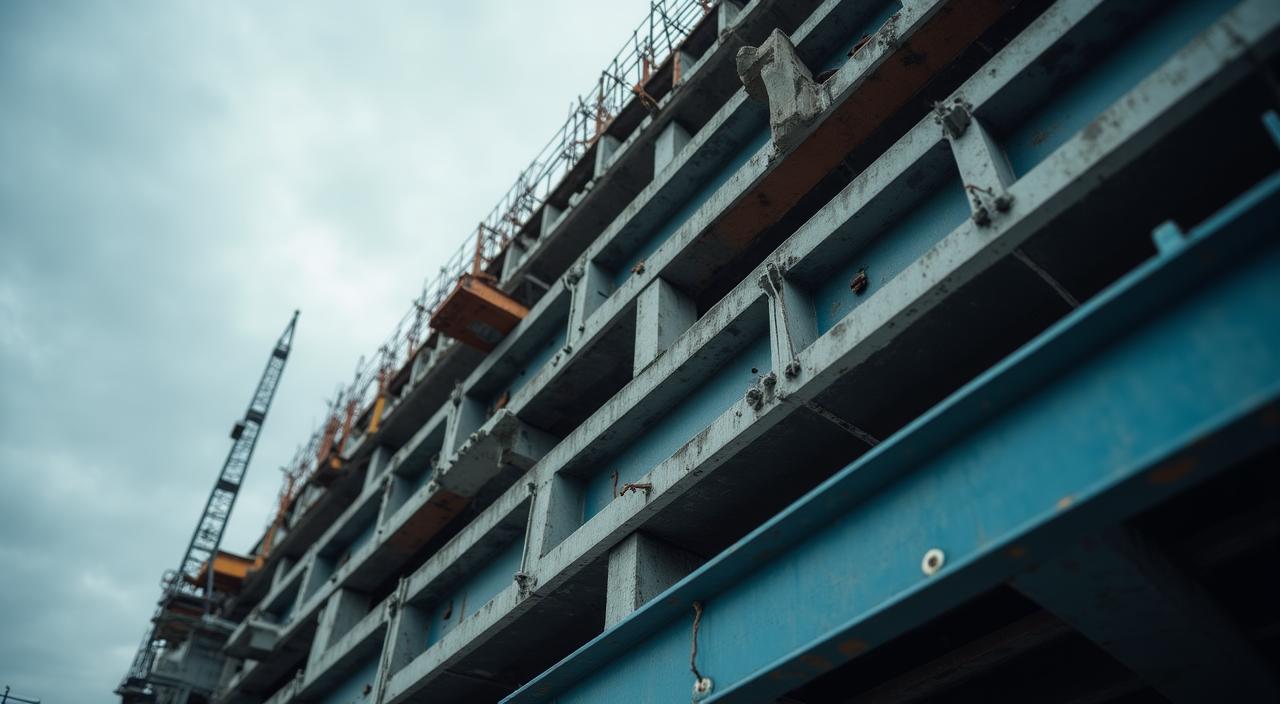
The State of Global Procurement
The construction landscape is currently grappling with unprecedented volatility. From the scarcity of specialized timber to the surging costs of structural steel, procurement is no longer a linear process. For developers and contractors alike, the financial stakes of delayed delivery have never been higher, necessitating a shift from reactive management to proactive legal safeguarding.
Trend 1: The Evolution of Force Majeure
Modern courts are increasingly scrutinizing 'generic' force majeure clauses. Today, we advise drafting highly specific triggers that explicitly address pandemic-related regional lockdowns or trade embargoes. Simply citing "unforeseen circumstances" is no longer sufficient to absolve a contractor of liquidated damages in the current economic climate.
Trend 2: Material Escalation Clauses
Fixed-price contracts are becoming a risk too great to bear. We are seeing a move toward Material Escalation Clauses that allow for price adjustments based on agreed-upon indices (such as the BCIS). This ensures that while the contractor holds the risk of labor, the employer shares the burden of extraordinary material price spikes.
Future Outlook: Equitable Risk Sharing
Looking ahead, the most successful projects will be those that view the contract as a tool for collaboration rather than a weapon for litigation. By establishing 'Early Warning Systems' within the agreement, parties can signal procurement hurdles weeks before they impact the critical path, allowing for joint mitigation strategies or material substitutions.
Protect Your Project Today
Do not wait for a delay notice to land on your desk. Reviewing your current subcontracts and head agreements for supply chain resilience is a critical step in project risk management.
Consult a Legal Expert